ABOUT THE B.A. (Journalism and Mass Communication)
The B.A. in Journalism and Mass Communication program explores the evolving media ecosystem, from traditional journalism and broadcasting to digital media and strategic communication. Students develop a strong foundation in reporting, writing, visual storytelling, content creation, and media production through a blend of academic learning and practical exposure. As a comprehensive bachelor’s degree in journalism and mass communication, the program helps students understand how media informs, influences, and connects audiences across platforms. With its focus on both journalism and mass communication, the program prepares students to navigate diverse roles across news, digital media, broadcasting, advertising, and communication. The curriculum includes -
- Media theory & journalism history
- Ethical reporting and press laws
- Digital & visual journalism
- Documentary filmmaking
- Public relations strategy
- Integrated marketing communication
- News research, writing & multimedia production
The pedagogy is built across six learning pillars:
- Conceptual learning
- Skill-building
- Liberal arts knowledge
- General awareness
- Critical thinking
- Practical, project-based learning
Start Date: August 2027
Assessments
The assessment system for the B.A. (Journalism & Mass Communication) program is designed to genuinely measure what students learn and how well they can apply their skills in real-world media situations. Instead of relying only on final exams, the program uses a balanced mix of continuous assessments, practical work, and end-semester evaluations.
Students are encouraged to participate in class discussions, submit assignments, create digital content, and work on group projects that reflect industry-style tasks.
Practical assessments—such as news reporting, video production, photography, anchoring, and design projects-help students build confidence and creativity. Periodic quizzes, presentations, and reflective journals ensure consistent learning throughout the semester. The evaluation pattern also includes internships, fieldwork, and major projects to test students’ professional readiness. Overall, the assessment approach focuses on skill development, conceptual clarity, and hands-on experience, ensuring students are prepared for diverse roles in the media and communication sector.
Certifications Offered
- Digital Marketing (Google / Facebook Blueprint)
- Mobile Journalism (MOJO)
- Video Editing & Post-Production Tools
- Basic Photography Skills
- Media Ethics
- Fact-Checking
- Social Media Management
- Public Relations Essentials
KEY TAKEAWAYS

Industry-Focused Curriculum: The program is designed in partnership with media professionals, ensuring students learn skills that directly match the needs of newsrooms, digital platforms, advertising agencies, and PR firms.
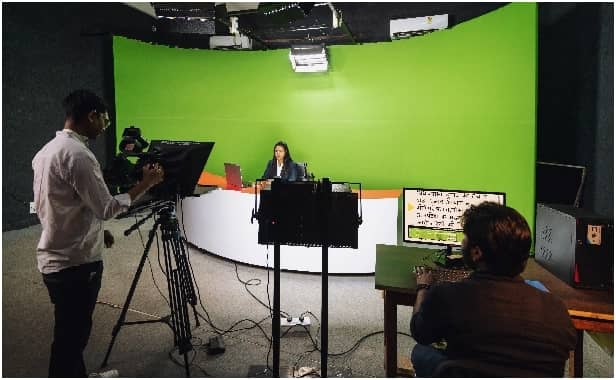
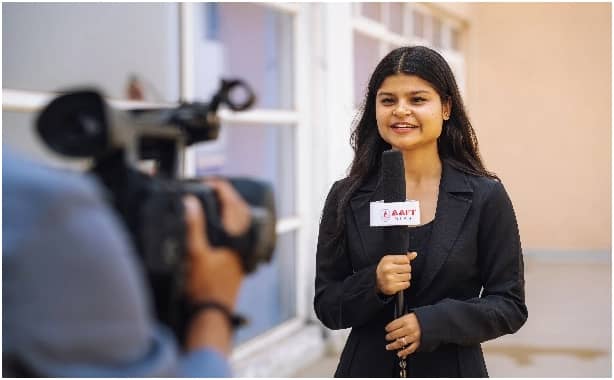
Hands-on Learning Experience: From newsroom simulations and studio production to field reporting and multimedia storytelling, students get practical exposure from the very first semester.
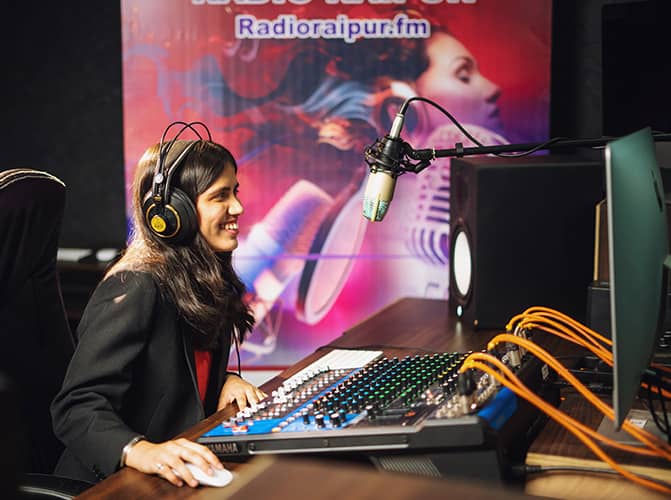
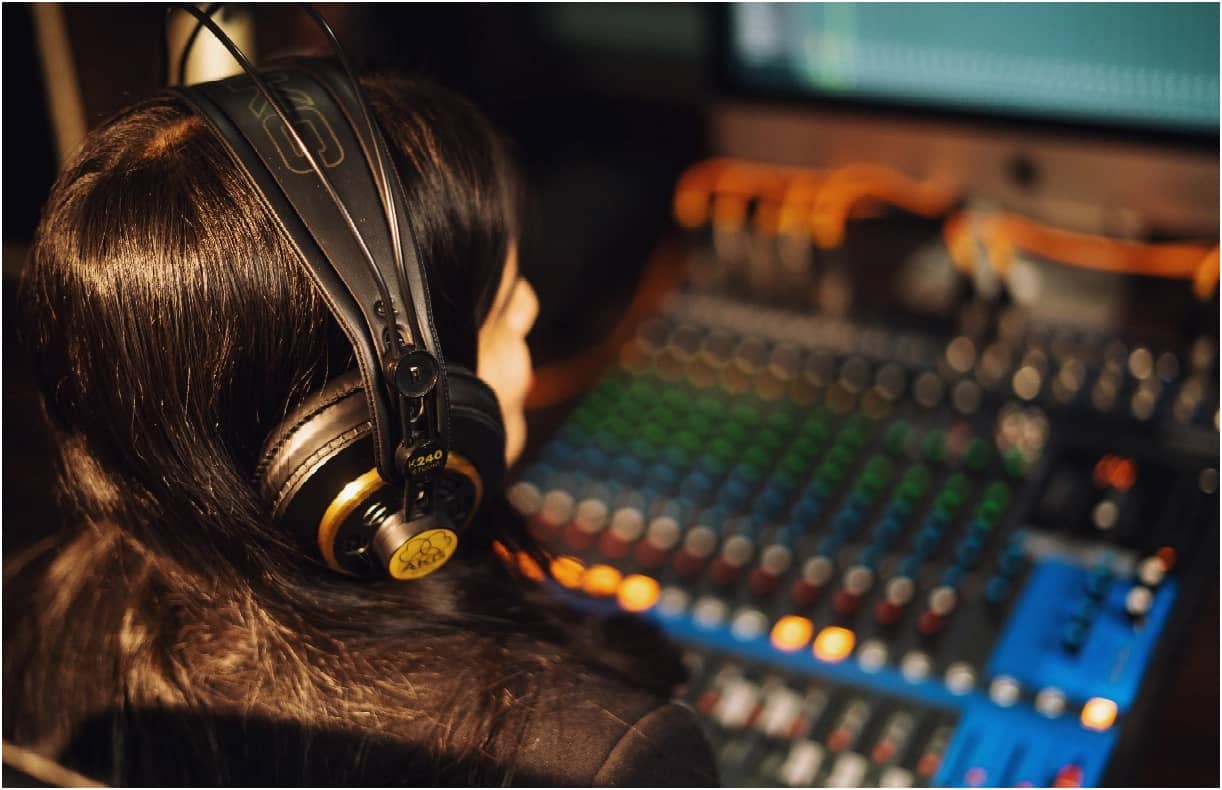
State-of-the-Art Media Labs: Equipped with modern cameras, editing suites, audio studios, and digital content creation tools to help students build professional portfolios.
Strong Internship & Placement Support: Students receive guidance and opportunities to intern with reputed media houses, production studios, government communication units, and corporate communication teams.
Holistic Skill Development: Focus on enhancing communication skills, creativity, critical thinking, media ethics, and research capabilities required for diverse media careers.
Research-Oriented Pathway: The Honors with Research track helps students develop strong academic foundations and pursue higher education, publications, and research-based careers.
Entrepreneurship & New Media Readiness: Special emphasis on digital media, content creation, and media entrepreneurship for students aspiring to start their own platforms or media ventures.
Student Projects
News Anchoring
News reporting
News editing
Blog writing
ENG production
CSR activity
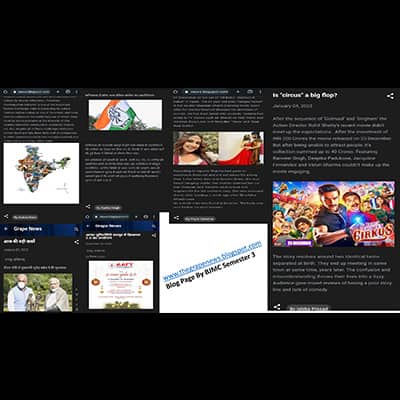
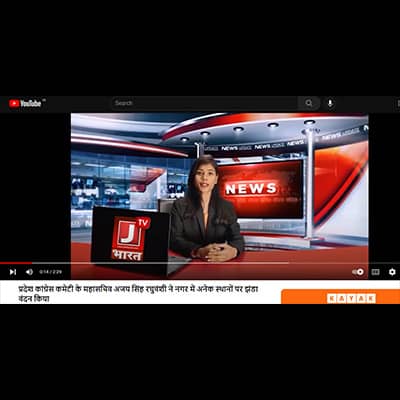

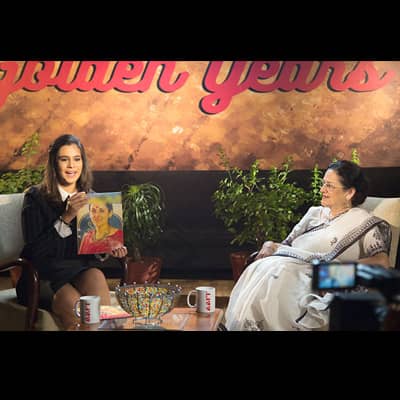
SYLLABUS
Throughout the course, the students are provided with following projects
Semester I
- Print and Publishing (4-Credits)
2. Introduction to Mass Communication (4-Credits)
3. Introduction to New Media (4-Credits)
4. General Elective-I(A) (4-Credits)
5. Communicative English (2-Credits)
6. Physical Health & Fitness (2-Credits)
Semester II
- Basics of Still Photography (4-Credits)
2. Radio Theory and Practice (4-Credits)
3. TV as a Medium of Mass Communication (4-Credits)
4. General Elective I(B) (4-Credits)
5. Academic Writing (2-Credits)
6. Computer Applications (2-Credits)
Semester III
- Public Relations (4-Credits)
2. Reporting and Editing (4-Credits)
3. Camera and Lighting Techniques (4-Credits)
4. Presentation Skills/Health Communication/MOOC-1 (4-Credits)
5. Professional Communication (2-Credits)
6. Environmental Studies (2-Credits)
Semester IV
- Television Production: Theory and Practice (4-Credits)
2. Advertising: Concepts and Processes (4-Credits)
3. Development Communication (4-Credits)
4. Creative Writing/News Anchoring/Web Journalism (4-Credits)
5. Soft Skills Training (2-Credits)
6. EDGE-1 (2-Credits)
Semester V
- Corporate Communication (4-Credits)
2. Creative Advertising (4-Credits)
3. Video Editing and Sound Recording (4-Credits)
4. Content Writing/Social Media Marketing/Cultural Studies and Art Forms (4-Credits)
5. Branding Strategies (2-Credits)
6. EDGE-2 (2-Credits)
Semester VI
- Introduction To International Media/ Political Communication/MOOC-2 (4-Credits)
2. Rural Journalism/Media and Human Rights/MOOC-3 (4-Credits)
3. Sports Journalism/Understanding Cinema/MOOC-4 (4-Credits)
4. Media Entrepreneurship Development (2-Credits) (4-Credits)
5. EDGE-3 (2-Credits)
6. Internship (4-Credits)
Semester VII (Honors)
- Documentary Production: Theory and Practice (4-Credits)
2. Event Management (4-Credits)
3. Research Methodology (4-Credits)
4. Photojournalism/Media Literacy/ Media and Gender (4-Credits)
5. Ad Film Making/Podcast Production/Mobile Journalism (4-Credits)
Semester VIII (Honors)
- Media Ethics (4-Credits)
2. Media Literacy (4-Credits)
3. AI and Data-Driven Journalism (4-Credits)
4. Rural Communication (4-Credits)
5. Tools and Techniques for Science Communication (4-Credits)
Semester VII (Honors with Research)
- Documentary Production: Theory and Practice (4-Credits)
2. Event Management (4-Credits)
3. Research Methodology (4-Credits)
4. Photojournalism/Media Literacy/Media and Gender (4-Credits)
5. Ad Film Making/Podcast Production/Mobile Journalism (4-Credits)
Semester VIII (Honors with Research)
- Media Ethics (4-Credits)
2. Media Research (4-Credits)
3. Dissertation (12-Credits)

JOB ROLES/ CAREER PROSPECTS
The course will prepare you for a wide variety of roles in Design field such as
Software Proficiency
The B.A. (Journalism & Mass Communication) program offers hands-on training in industry-standard tools, newsroom simulations, editing, design, multimedia, and broadcasting, preparing students for modern media careers.
Editing & Production Tools
- Adobe Photoshop
- Adobe Premiere Pro
- Adobe Audition
- Adobe InDesign
- Final Cut Pro
- DaVinci Resolve
- Avid Media Composer
- Canva
- Hootsuite
- Buffer
- RCS Zetta
PLACEMENT TIE-UPS



GET TRAINED BY THE WORLD-CLASS FACULTY
We boast a team of highly qualified professors who are acclaimed practitioners in their respective industries. The team is dedicated to helping students prepare themselves for a successful career and life through their enriched insights and experience.
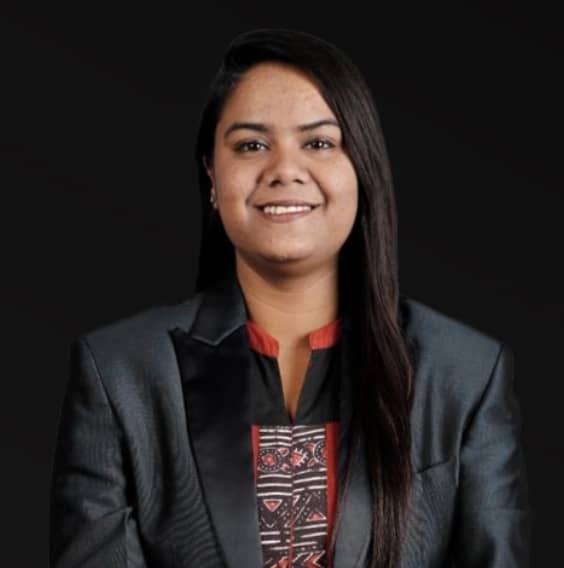
Ms. Ankisha Mishra
Assistant Professor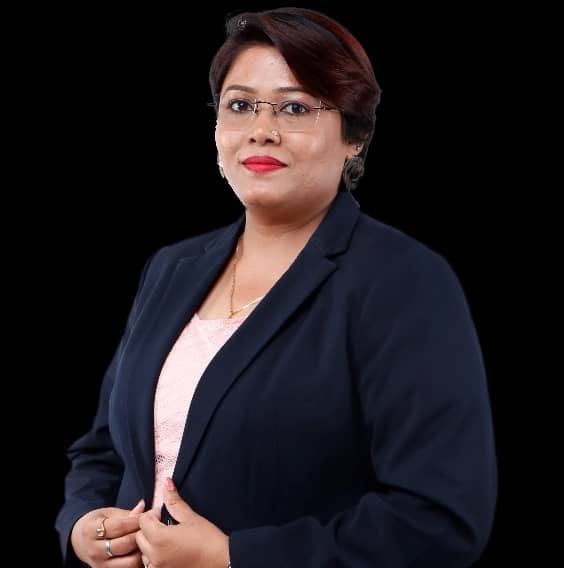
Ms. Rashmi Priya
Assistant Professor SOJMCOUR INFRASTRUCTURE
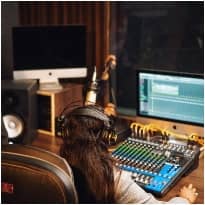
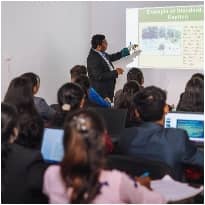
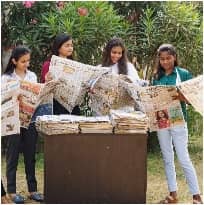
Our state-of-the-art infrastructure boasts industry-relevant advanced studios, labs, high-end equipment, the latest I-Macs and windows systems with relevant software, etc., to ensure that students get a first-hand understanding of industry concepts and work.

OUR EVENTS
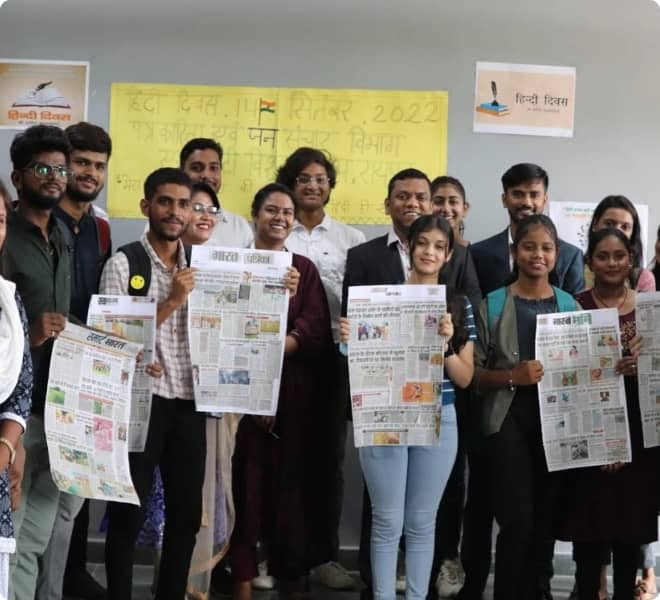
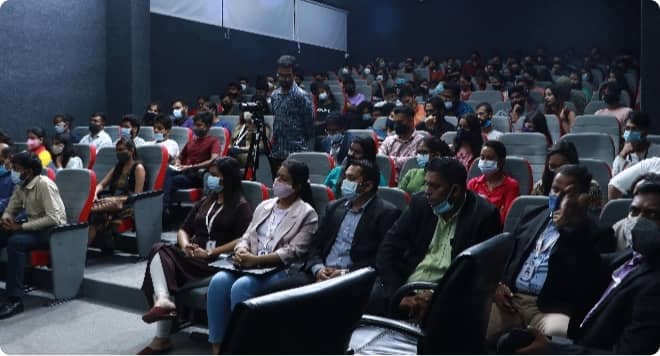
Hindi diwas - journalism events
START YOUR JOURNEY AT AAFT
Apply
Login to your application page to start your application and reserve your place in the batch of 2027
Enquire NowConnect
If you would like to speak to a admission counsellor, please connect with us on WhatsApp
Talk NowBrochure
Download our latest prospectus for a detailed look at our programme offerings.
FAQs
Throughout the course, the students are provided with following information
The curriculum of B.Des in Fashion & Design combines creative design with strong technical skills, covering pattern-making and garment construction along with digital tools like Adobe Illustrator, Photoshop, and CAD. Students can also explore accessory, footwear, leather, and jewelry design.
The B.Des in Fashion & Design at AAFT is a 4-year undergraduate degree program.
After completing the B.Des in Fashion & Design, students can pursue careers as Fashion Designers, Textile Designers, Stylists, Merchandisers, Fashion Coordinators, Fashion Photographers, Boutique Entrepreneurs, and Fashion Journalists.
Yes. The program is highly practical-oriented, with students working on live design projects, developing their own collections from concept to exhibition, and gaining hands-on experience through fashion shows, internships, and real-world design tasks.
AAFT offers state-of-the-art studios and labs, including sewing labs, CAD labs equipped with iMacs and Windows systems, and design labs that provide students with access to professional-level tools and resources.
To enroll in the B.Des in Fashion & Design at AAFT School of Fashion & Design, students should have completed 10+2 from a recognized Board of Education.
Yes. Admission to the B.Des in Fashion & Design program includes the AAFT Global Entrance Test (GET), followed by a personal interview.
AAFT often provides EMI options or flexible payment plans for its programs, making the course more accessible. Students can connect with the admissions team for details about available EMI and payment plans.
Admissions are generally open for the upcoming batch. Students can apply through the AAFT application portal or contact an admissions counselor via WhatsApp for detailed admission timelines.
The program places strong emphasis on practical learning. Approximately 70% of the assessment is based on live projects, fashion shows, and portfolio development, while the remaining 30% focuses on written assessments and theoretical learning.
Students receive training in modern design software such as Adobe Photoshop, Adobe Illustrator, and CorelDRAW. The curriculum also covers pattern drawing, draping, garment construction, and professional sewing techniques.
Yes. In the final semester, students undertake guided independent research on a topic of their choice. They also plan and present a graduation design collection and can develop a business plan if they are interested in entrepreneurship.
Absolutely. Students are encouraged to design and develop their own collections, with opportunities to participate in live exhibitions and fashion shows at Global Festivals as part of their practical learning experience.