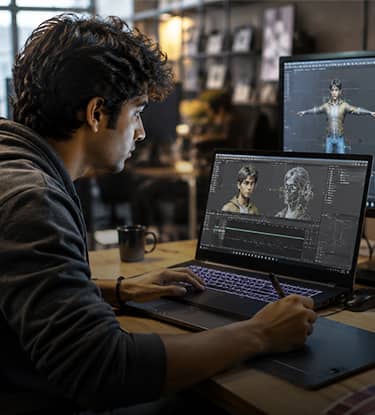
ABOUT THE B.Sc. (3D Animation and VFX)
One of the major highlights of the BSc in 3D Animation and VFX is the integration of Unreal Engine and real-time virtual production, preparing students for the future of filmmaking and live digital environments. Students learn a complete VFX pipeline, including match moving, green-screen compositing, simulation FX, and cinematic rendering.
As part of the BSc in VFX and Animation, each semester includes lab-based subjects that help students build a portfolio with 15+ production-quality outcomes before graduation. The program also promotes interdisciplinary collaborations, allowing students to work alongside film direction, cinematography, and game design departments to simulate real-world production environments.
- 3D Animation and VFX Production Workflows
- Concept development, visual storytelling and pre-visualization
- Modelling, texturing and look development
- Lighting, rendering and post-production pipelines
- Motion graphics, CGI integration
- Portfolio development, showreel creation and industry readiness
The pedagogy is built across six learning pillars:
- Teamwork
- Project Management
- Creative decision-making
- General Awareness
- Problem-Solving Skills
- Practical, project-based learning
Duration:
3 years B.Sc. (3D Animation and VFX)
4 years B.Sc. (3D Animation and VFX with Honors) (Optional)
Credits:
- 108 Credits B.Sc. (3D Animation and VFX)
- 148 Credits B.Sc. (3D Animation and VFX with Honors)
Start Date: August 2026
Learning Outcomes
- Students develop a balanced mix of artistic, technical, and professional skills for animation and VFX careers.
- The program builds strong foundations in visual design, composition, color theory and storytelling
- Learners gain an understanding of character development and cinematography principles
- Students receive hands-on training in 3D Modeling, texturing, rigging and animation
- The curriculum covers lighting, rendering, digital sculpting, and motion graphics techniques.
- Advanced training includes simulation FX, rotoscopy, matchmoving and green-screen compositing
- Students learn Unreal Engine workflows and real-time rendering for modern production environments
- Learners gain proficiency in industry-standard animation and VFX software tools
Assessments
Each course is assessed through a balanced combination of Continuous Internal Assessment (CIA) and End Semester Examination (ESE). CIA (30%) includes classroom participation, assignments, practical exercises, quizzes, and short-term projects that evaluate conceptual understanding and progress throughout the semester.
ESE (70%) focuses on practical demonstrations, project submissions, viva-voce, and written or digital evaluations designed to test applied skills, creativity, and software proficiency. The assessment pattern prioritizes portfolio development over evaluation, encouraging students to showcase their learning through creative outputs such as short films, animation clips, and compositing work. Rubric-based evaluations are used for transparency and uniformity in grading.
KEY TAKEAWAYS

- Strong alignment with real-world industry requirements and current production practices.
- Integration of cutting-edge technologies, including Unreal Engine
- In-depth exposure to the complete VFX production pipeline
- Semester-wise lab-based projects focused on hands-on learning and practical skill development
- Creation of 15+ production quality portfolio projects before graduation
- Project based learning approach that encourages innovation, teamwork and problem-solving
- Direct exposure to studio hiring processes and industry interactions
Student Projects
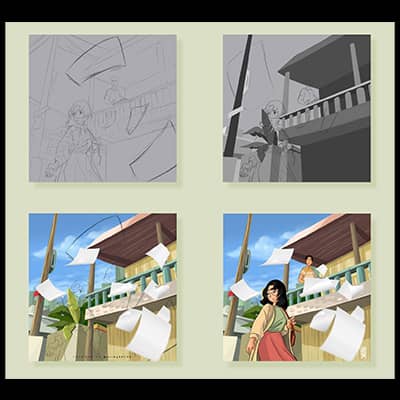
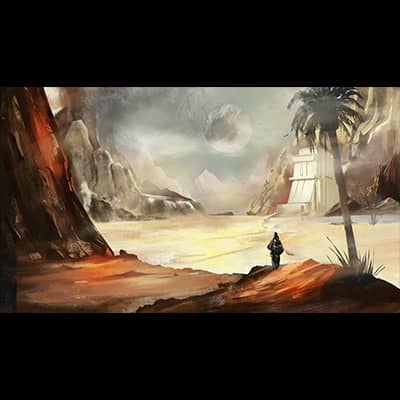
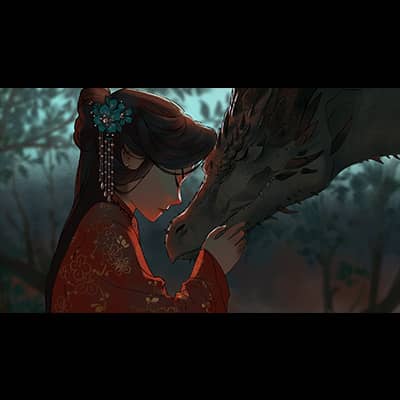
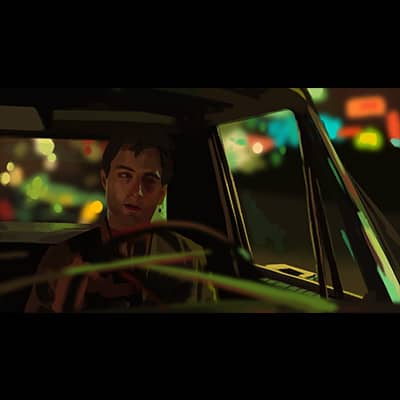
Students at AAFT get ample opportunities to apply multimedia techniques like 3D animation and VFX and develop their own games or apps throughout their coursework. Whether you are pursuing a bachelor of game development or a BSc multimedia or master’s degree in 3D animation, you will get to work on live projects and create a strong portfolio that can be exhibited to different potential employers.
Character Design
Sketching
Digital Painting
Matte Painting
Create Animation
Post-production
Project's
Video
SYLLABUS
Throughout the course, the students are provided with following projects
Semester I
- Design & Construction (4 Credits)
- Vector Illustration (4 Credits)
- Digital Image Editing (4 Credits)
- Communicative English (2 Credits)
Semester II
- Pre-production (4 Credits)
- 2D Animation (4 Credits)
- Audio Video Editing (4 Credits)
- Academic Writing (2 Credits)
Semester III
- 3D Modelling and Texturing in 3Ds Max (4 Credits)
- Lighting & Rendering in 3Ds Max (4 Credits)
- Rigging and Animation in 3Ds Max (4 Credits)
- Simulation and Effects in 3Ds Max (4 Credits)
- Print and Publishing (4 Credits)
- Editing in FCP (4 Credits)
- Professional Communication - 2
Semester IV
- Inorganic and organic modelling & texturing in Maya (4 Credits)
- Lighting and rendering in Maya (4 Credits)
- Rigging and animation in Maya (4 Credits)
- Dynamics and Simulation in Maya (4 Credits)
- Acting for Animation (4 Credits)
- Motion Graphics
- Soft Skills Training - 2
Semester V
- Advance VFX (Houdini) (4 Credits)
- Node Based Compositing, Rotoscopy and Set Extension (4 Credits)
- Compositing - Nuke (4 Credits)
- V-Ray in 3Ds Max (4 Credits)
- Matte Painting (4 Credits)
- Compositing in PF Track (4 Credits)
Semester VI
- Toom boom animation (4 Credits)
- Advance Compositing (nuke)
- CAT and Character Studio in 3Ds Max
- Rotoscope in After Effects (4 Credits)
- Motion Builder & Human IK in Maya
- Animatics and Storyboard
- 3D Asset Design (Blender) (4 Credits)
- Game Principle
- Chroma Shoot and FX
- Internship (4 Credits)
Semester I
- Design & Construction (4 Credits)
- Vector Illustration (4 Credits)
- Digital Image Editing (4 Credits)
- Communicative English (2 Credits)
Semester II
- Pre-production (4 Credits)
- 2D Animation (4 Credits)
- Audio Video Editing (4 Credits)
- Academic Writing (2 Credits)
Semester III
- 3D Modelling and Texturing in 3Ds Max (4 Credits)
- Lighting & Rendering in 3Ds Max (4 Credits)
- Rigging and Animation in 3Ds Max (4 Credits)
- Simulation and Effects in 3Ds Max (4 Credits)
- Print and Publishing (4 Credits)
- Editing in FCP (4 Credits)
- Professional Communication - 2
Semester IV
- Inorganic and organic modelling & texturing in Maya (4 Credits)
- Lighting and rendering in Maya (4 Credits)
- Rigging and animation in Maya (4 Credits)
- Dynamics and Simulation in Maya (4 Credits)
- Acting for Animation (4 Credits)
- Motion Graphics
- Soft Skills Training - 2
Semester V
- Advance VFX (Houdini) (4 Credits)
- Node Based Compositing, Rotoscopy and Set Extension (4 Credits)
- Compositing - Nuke (4 Credits)
- V-Ray in 3Ds Max (4 Credits)
- Matte Painting (4 Credits)
- Compositing in PF Track (4 Credits)
Semester VI
- Toom boom animation (4 Credits)
- Advance Compositing (nuke)
- CAT and Character Studio in 3Ds Max
- Rotoscope in After Effects (4 Credits)
- Motion Builder & Human IK in Maya
- Animatics and Storyboard
- 3D Asset Design (Blender) (4 Credits)
- Game Principle
- Chroma Shoot and FX
- Internship (4 Credits)
Semester VII (Honors)
- Editing & Colour Correction (4 Credits)
- Advanced 3D Sculpting in Blender and ZBrush (4 Credits)
- Live Scene Setup (Unreal Engine) (4 Credits)
- 2D Game Design (4 Credits)
- Character & Asset Design 3D
- FX in Davinci Resolve
- Research Methodology
- Visual Design for VFX Film
- Art Direction (4 Credits)
Semester VIII (Honors)
- Media Ethics (4 Credits)
- Quantitative Techniques and Computer Application in Research (4 Credits)
- Advanced Texturing (Quixel Studio) (4 Credits)
- Visual Design Unreal Engine (4 Credits)
- 2D Visual Design Pipeline (4 Credits)
Semester VIII (Honors with Research)
- Media Research (4 Credits)
- Quantitative Techniques & Computer Application in Research (4 Credits)
- Dissertation (12 Credits)
Program Fee Structure
Explore detailed tuition fees, installment-wise breakdown, scholarships and flexible EMI options.
| Course | Duration | Admission | 1st Installment | 2nd Installment | 3rd Installment | 4th Installment | 5th Installment | 6th Installment | 7th Installment | 8th Installment | 9th Installment | 10th Installment | Total |
|---|---|---|---|---|---|---|---|---|---|---|---|---|---|
| B.Sc. (3D Animation and VFX) | 3 Year | 30,000 | 83,500 | 83,500 | 83,500 | 83,500 | 83,500 | 83,500 | - | - | - | - | 531,000 |
| B.Sc. (Honors) (3D Animation and VFX) | 4 Year | 30,000 | 83,500 | 83,500 | 83,500 | 83,500 | 83,500 | 83,500 | 83,500 | 83,500 | - | - | 698,000 |
Important Notes
JOB ROLES/ CAREER PROSPECTS
The course will prepare you for a wide variety of roles in Design field such as
Software Proficiency
The B.Sc. (3D Animation and VFX) program integrates industry-standard software, advanced production tools, and simulation-based learning to build strong, job-ready technical expertise.
Editing & Design Tools
- Autodesk Maya
- 3Ds Max
- Blender
- ZBrush
- Houdini
- Unreal Engine
- Nuke
- After Effects
- Photoshop
- Illustrator
- Premiere Pro
Institutional Partner:

PLACEMENT TIE-UPS






GET TRAINED BY THE WORLD-CLASS FACULTY
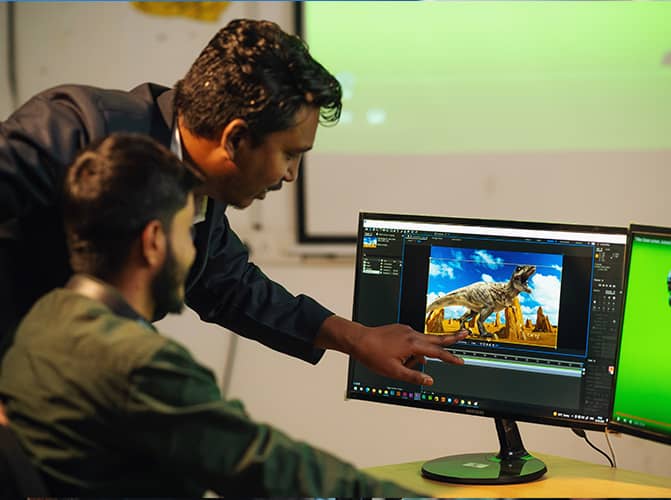
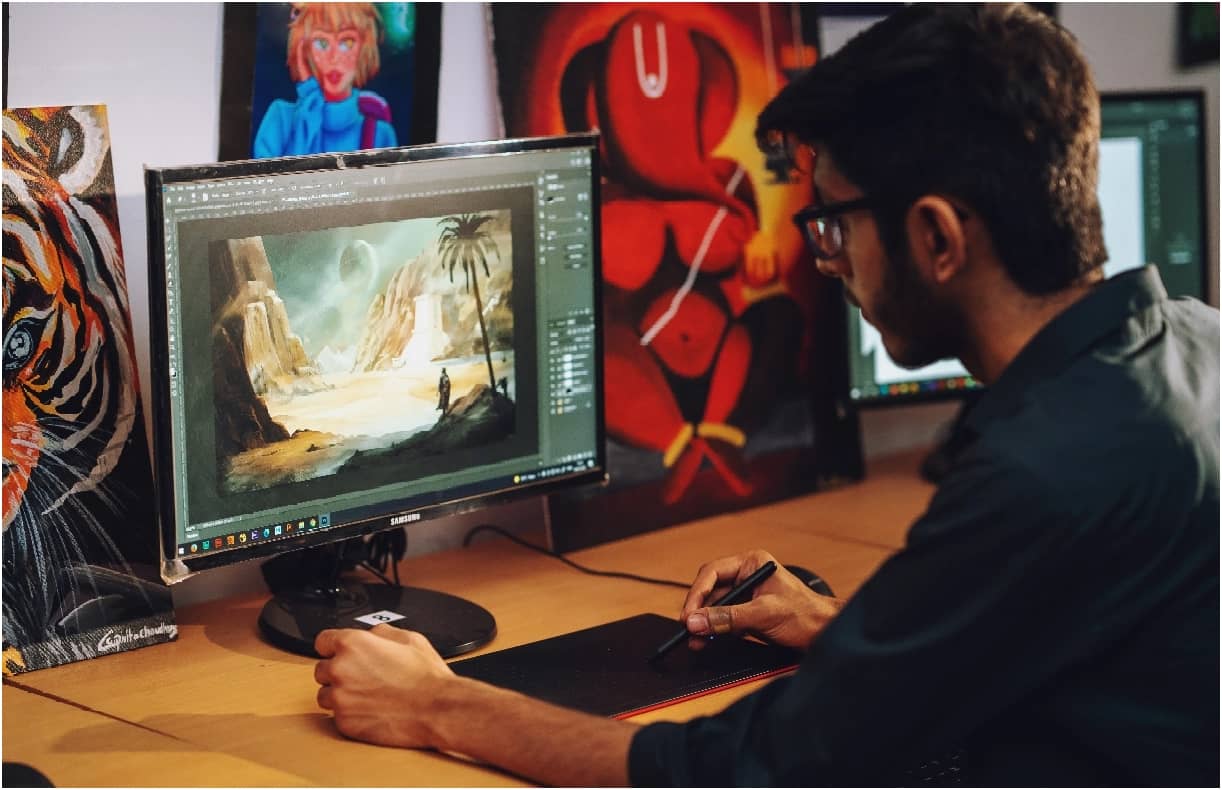
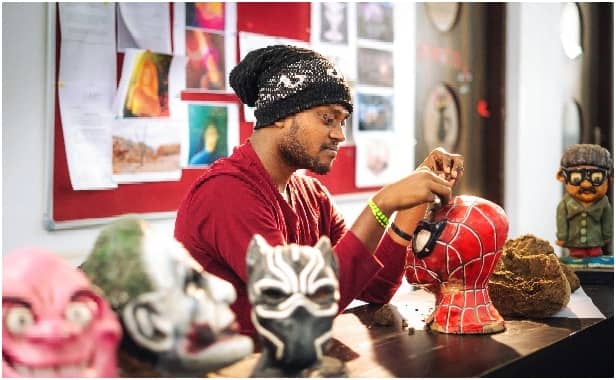
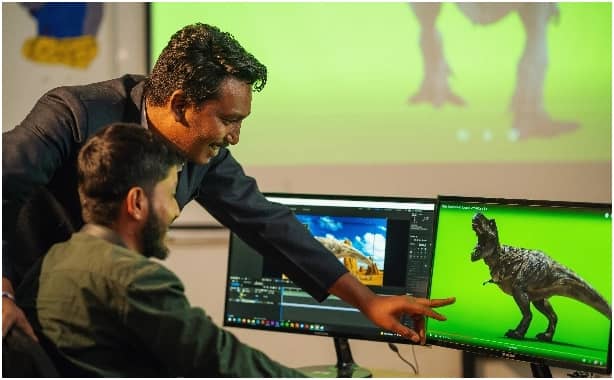
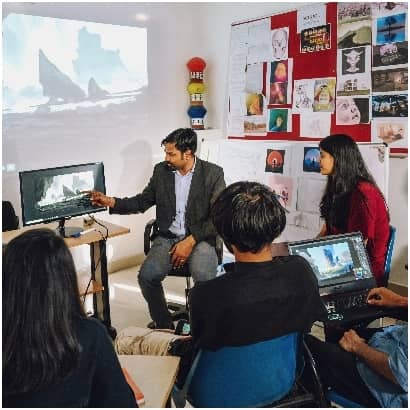
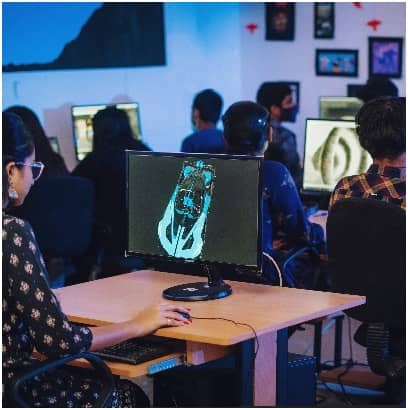
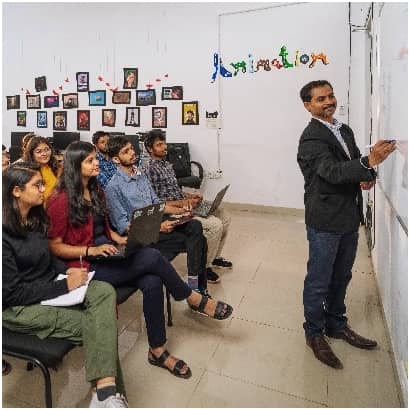
Our state-of-the-art infrastructure boasts industry-relevant advanced studios, labs, high-end equipment, the latest I-Macs and windows systems with relevant software, etc., to ensure that students get a first-hand understanding of industry concepts and work.

Mr. A Vasant
Teaching Assistant
Mr. PBS Subramaniam
Assistant Professor - School Incharge
Mr. Shiv Kumar
Assistant Professor
Dr. Shweta Bajaj
Head of Department HODOUR INFRASTRUCTURE
Our state-of-the-art infrastructure boasts industry-relevant advanced studios, labs, high-end equipment, the latest I-Macs and windows systems with relevant software, etc., to ensure that students get a first-hand understanding of industry concepts and work.

OUR EVENTS
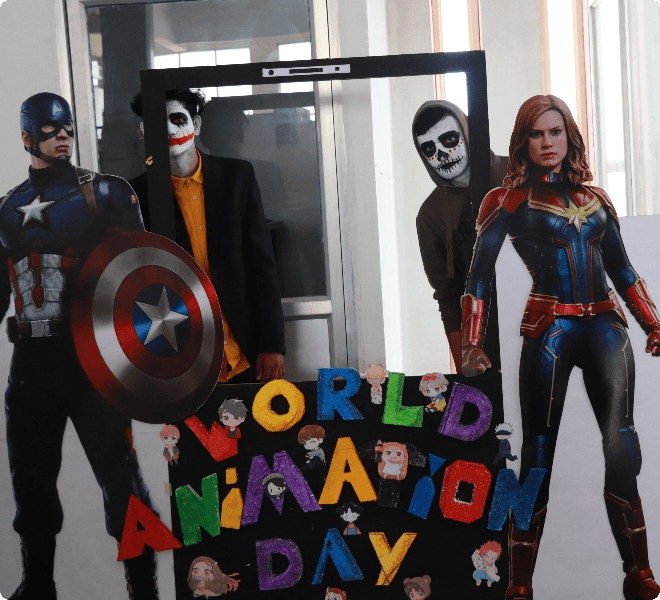
International Animation Day Celebration
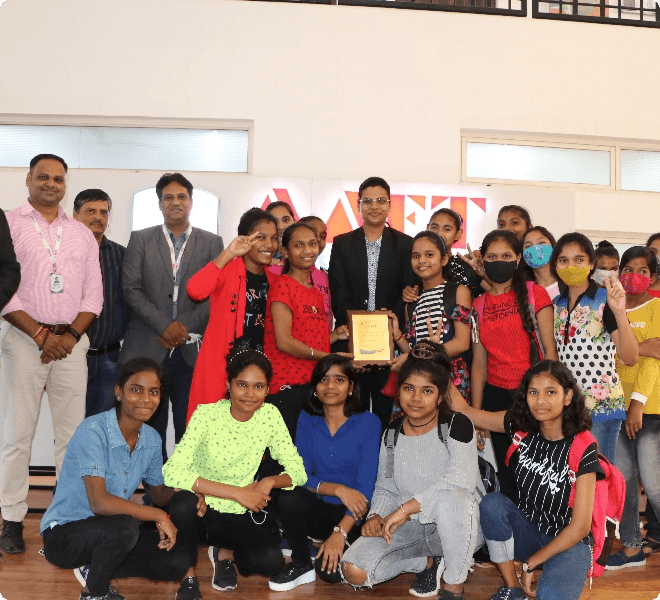
CSR Activity
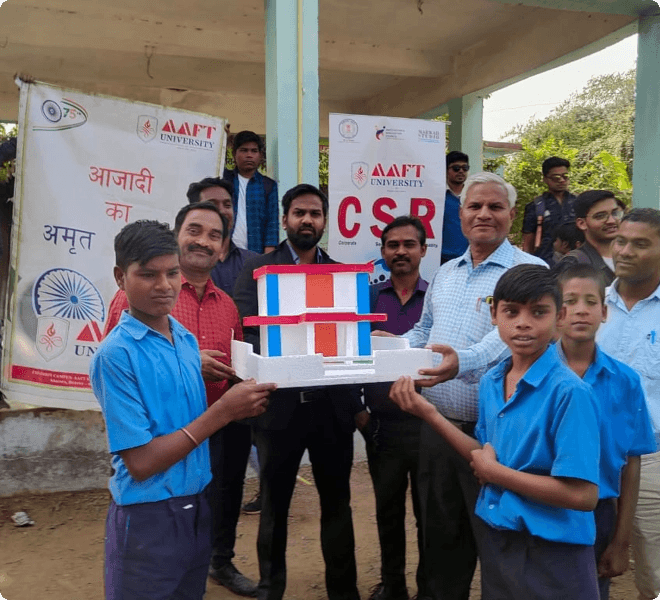
CSR Activity in farhada Village
START YOUR JOURNEY AT AAFT
Apply
Login to your application page to start your application and reserve your place in the batch of 2026
Enquire NowConnect
If you would like to speak to a admission counsellor, please connect with us on WhatsApp
Talk NowBrochure
Download our latest prospectus for a detailed look at our programme offerings.
FAQs
Throughout the course, the students are provided with following information
B.Sc. (3D Animation and VFX) is a 3-year undergraduate program with a 4-year Honors option. The program covers the complete animation and VFX pipeline, including modelling, texturing, lighting, rigging, compositing, and Unreal Engine real-time production, with a portfolio of 15+ projects built across semesters.
The program emphasizes Unreal Engine and real-time virtual production alongside traditional VFX training. It also encourages interdisciplinary collaboration with film and game design departments and follows a portfolio-first assessment model rather than exam-heavy evaluation.
Graduates can work as 2D/3D Animators, VFX Artists, Compositors, Storyboard Artists, Motion Graphic Artists, Rigging Artists, Texturing and Lighting Artists, 3D Asset Developers, Illustrators, and Video Editors across film, gaming, and advertising.
Yes. Each semester includes lab-based and project-driven subjects using industry-standard studios and software, culminating in a portfolio of 15+ production-quality projects and direct exposure to studio hiring processes before graduation.
Yes. The curriculum starts with foundational subjects like Design & Construction, Vector Illustration, and Digital Image Editing in Semester I before progressing to advanced 3D and VFX tools, making it accessible to beginners.
The School of Animation offers industry-relevant studios and labs equipped with high-end iMacs and Windows systems running professional animation and VFX software, giving students hands-on exposure to real production environments.
Yes. Degree applicants must appear for the AAFT Global Entrance Exam, which starts with an online aptitude test followed by a personal interview that may be conducted telephonically, through video, or in person.
The standard B.Sc. (3D Animation and VFX) program is 3 years with 108 credits. An optional 4-year Honors/Honors with Research track with 148 credits is also available for students who want deeper specialization and research exposure.
Students train on Autodesk Maya, 3Ds Max, Blender, ZBrush, Houdini, Unreal Engine, Nuke, After Effects, Photoshop, Illustrator, and Premiere Pro across the six or eight-semester curriculum.
The program includes direct exposure to studio hiring processes and industry interactions, supported by placement tie-ups with studios and organizations such as Digitoons, Inge Gaming, Aaj Tak, ITV Network, and Adloid.
Yes. Unreal Engine is a core highlight of the program, with dedicated Live Scene Setup and Visual Design Unreal Engine modules in the Honors semesters, preparing students for real-time virtual production.
Students work on character design, sketching, digital painting, matte painting, animation creation, and post-production projects, applying 3D animation and VFX techniques to games, apps, and short films.
Applicants need a 10+2 or equivalent certificate from a recognized board to be eligible for admission to the B.Sc. (3D Animation and VFX) program.
Placement tie-ups for the animation program include studios and organizations such as Digitoons, Inge Gaming, Aaj Tak, ITV Network, and Adloid, among other industry partners.
Yes. The university's Placement Cell supports students in building employability skills and connects them with studio hiring processes and industry partners as they near graduation.